
The ziplining vs hanging bridges Costa Rica decision comes down to how you want to experience the landscape. Ziplining takes you along suspended cables, with equipment and activity guides managing the course. Hanging bridges form part of a walking route, giving you time to look into the forest canopy and appreciate the vegetation around you.
Both activities offer elevated views, but the pace, physical demands and opportunities to observe nature differ. Your comfort with heights, the interests of your companions and the location of your accommodation can help you choose. Some travelers enjoy combining both, while others prefer to give one experience more time during their visit.
Ziplining vs Hanging Bridges Costa Rica at a Glance
| What matters to you? | Ziplining | Hanging bridges |
|---|---|---|
| Experience | Travel along cables between platforms using the operator’s equipment. | Walk a trail that includes elevated bridge crossings. |
| Pace | Briefings, equipment checks, cable rides and movement between stations. | A walking pace shaped by the route, your group and any guided stops. |
| Nature observation | Scenic views during the course and opportunities between rides. | More time to observe plants and look for wildlife along the trail. |
| Participation | Course-specific age, size, equipment-fit and other requirements. | Suitability depends on walking distance, terrain and bridge access. |
| Photography | Device use depends on the operator’s rules and approved mounts. | Opportunities along permitted stops while following trail and bridge rules. |
1. The Experience and Pace of the Activity
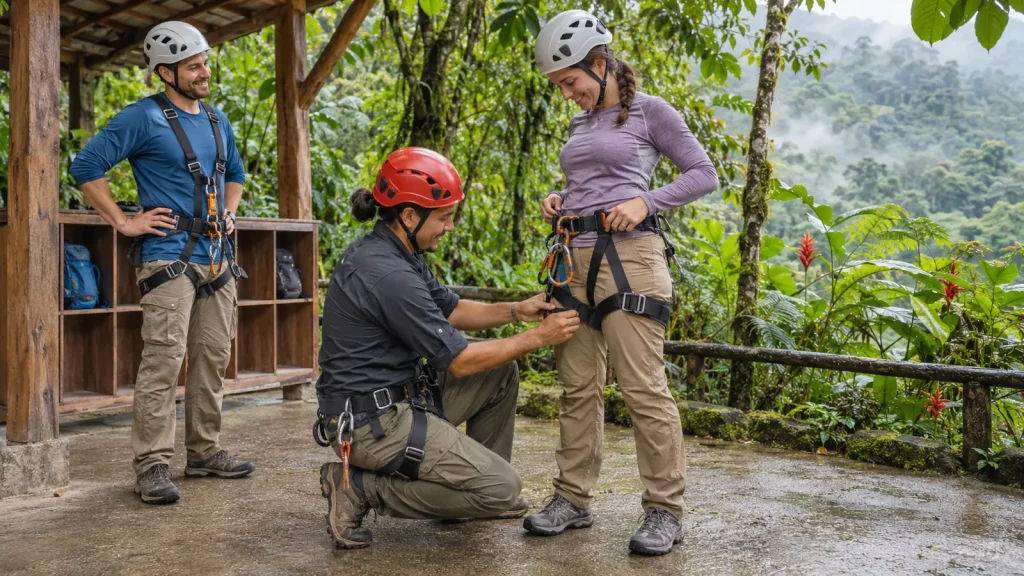
A zipline outing follows a course organized around cable rides and platforms. You begin with check-in, equipment fitting and instructions from the activity team. During the course, guides explain how to position yourself and what to do at each stage. The specific experience varies with the park and the type of lines included.
Some courses pass through forest, while others emphasize broad views across valleys or toward the coast. Diamante, in Guanacaste, offers an ocean-view setting and a Superman-style line. A cloud-forest canopy course creates a different visual experience, so the landscape is worth considering alongside the activity itself.
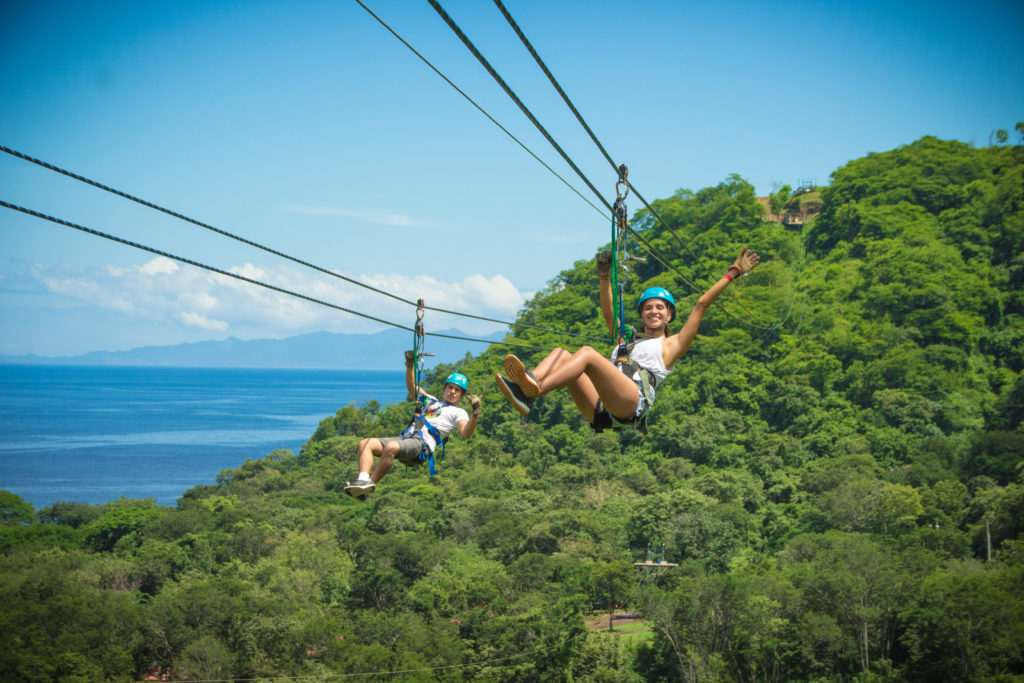
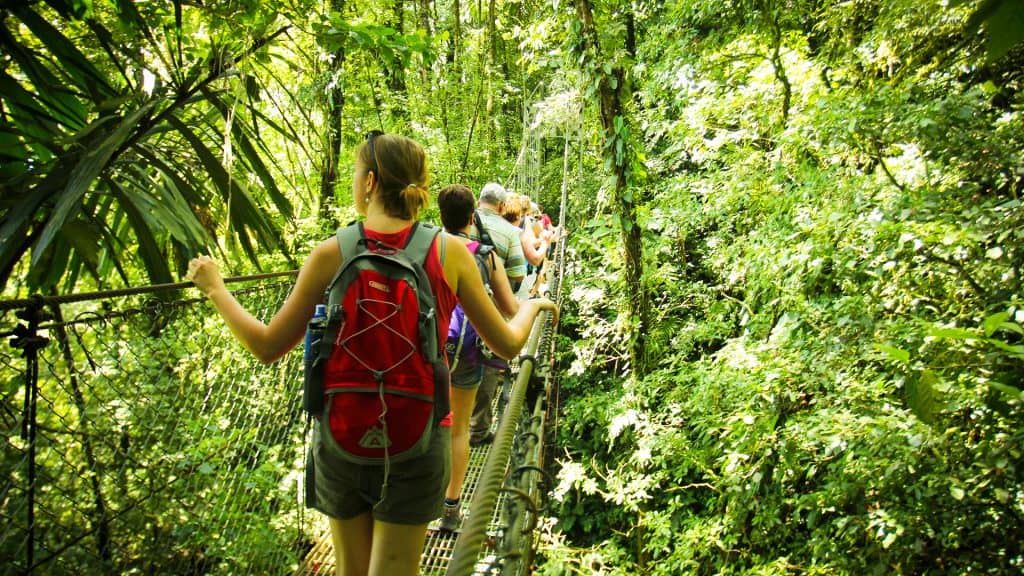
A hanging bridges visit develops as a walk. The sections between bridges take you through the forest, and the crossings provide elevated perspectives into the surrounding vegetation. You may pause at suitable places to listen, look for movement or hear a guide explain features along the route.
Choose ziplining if the cable rides and sensation of moving above the landscape are central to your plans. Choose a hanging bridges walk if you want to spend more of the outing exploring the forest on foot. Both can be memorable, and understanding the pace helps you choose the experience your group will enjoy.
2. Heights, Walking and Physical Requirements
Comfort with heights matters for both activities. On a zipline, you leave a platform while supported by the course equipment. On a hanging bridge, you walk across an elevated structure that may move as visitors cross. People respond differently to those situations, so consider the actual access and course design when deciding.
If someone in your group feels uncertain, review photographs or videos of the specific park and ask how the route progresses. Useful details include platform access, stairways, bridge length and whether alternative routes or exit points are available. Each property has its own layout, so those answers should come from the operator.
Walking is also part of the comparison. A canopy course may involve paths or stairs between stations. A hanging bridges experience can involve a substantial trail, with slopes and surfaces that change after rain. Look at the complete route when assessing physical effort.
For example, Selvatura describes its hanging bridges experience as a three-kilometer route with eight bridges. Its official hanging bridges information provides details about the walk and visitor rules. Use those specifics to decide whether that particular outing fits your group.
3. Wildlife Observation and Photography
A hanging bridges walk gives you time to look closely at the forest. You can observe plants beside the trail, notice the layers of vegetation and listen for birds or movement in the canopy. A nature guide can help you interpret the surroundings and locate details that might otherwise be easy to miss.
Wildlife sightings depend on the animals’ movements and the conditions during your visit. Choose the walk because you enjoy exploring the forest, with sightings adding to the experience as they occur. A quieter pace and attention to the surroundings can make even a short stop interesting.
Ziplining offers views while you travel between platforms, but the ride also requires attention to the activity instructions. You may have opportunities to enjoy the scenery before or after a line. The available time for observation depends on the course and the group’s progression.
Photography rules differ between activities and operators. Diamante’s official visitor FAQ explains its rules for handheld devices and securely mounted action cameras. For bridge walks, follow instructions about stopping and using equipment, keeping the crossing clear for other visitors.
In the ziplining vs hanging bridges Costa Rica comparison, a forest walk generally gives a photographer more opportunities to compose images at permitted stops. A zipline experience may be better captured through the operator’s photo service or an approved recording setup.
4. Choosing an Experience for Families and Mixed Groups
For a family outing, begin with the requirements for the specific activity. Zipline eligibility can depend on age, weight, equipment fit and the individual course. Provide the children’s details when checking participation so the operator can explain which parts of the experience are available to them.
For hanging bridges, consider the walking involved and each person’s confidence on elevated crossings. A child may enjoy exploring the trail but need encouragement or closer supervision on a bridge. Travelers with mobility concerns should request information about surfaces, slopes, steps and the complete route.
Mixed groups can sometimes choose different activities at the same property. One person may prefer a canopy course while another joins a nature walk. Before booking, establish how the schedules align, where the group will meet and which admission each participant needs.
Leave enough time for meals and breaks, especially when combining activities. An outing that suits the most enthusiastic participant may require adjustments for the rest of the group. Agree on what everyone wants from the day before selecting a package with several scheduled experiences.
5. Location, Travel Time and Combining Activities
The park’s location can influence your choice as much as the activity. For travelers staying on the Guanacaste coast, an outing near Playa Matapalo involves a different itinerary from a journey to the Arenal region or Monteverde. Include the return journey when deciding how much of your vacation day to dedicate to the experience.
For an ocean-view cable course, see our Diamante Eco Adventure Park zipline option. Review the selected pass, participation details and transportation arrangements before reserving so you understand the experience included.
For a guided rainforest walk, our Místico Arenal Hanging Bridges and Hot Springs Tour combines bridge crossings with a thermal-water visit. It is a full-day itinerary from Guanacaste, so consider both the travel and the activities when comparing it with a local outing.
If you want both ziplining and hanging bridges, look for a property that offers the combination and check the order of activities. Include equipment fitting, briefings, the full walking route and lunch in your schedule. A combined pass is most useful when both experiences are priorities for the people participating.
Share your accommodation when arranging the excursion. Our Costa Rica tour collection provides additional options, while our private transportation service can help with a separately organized itinerary. The exact property address is important for planning pickup and the return journey.
What to Prepare Before Your Visit
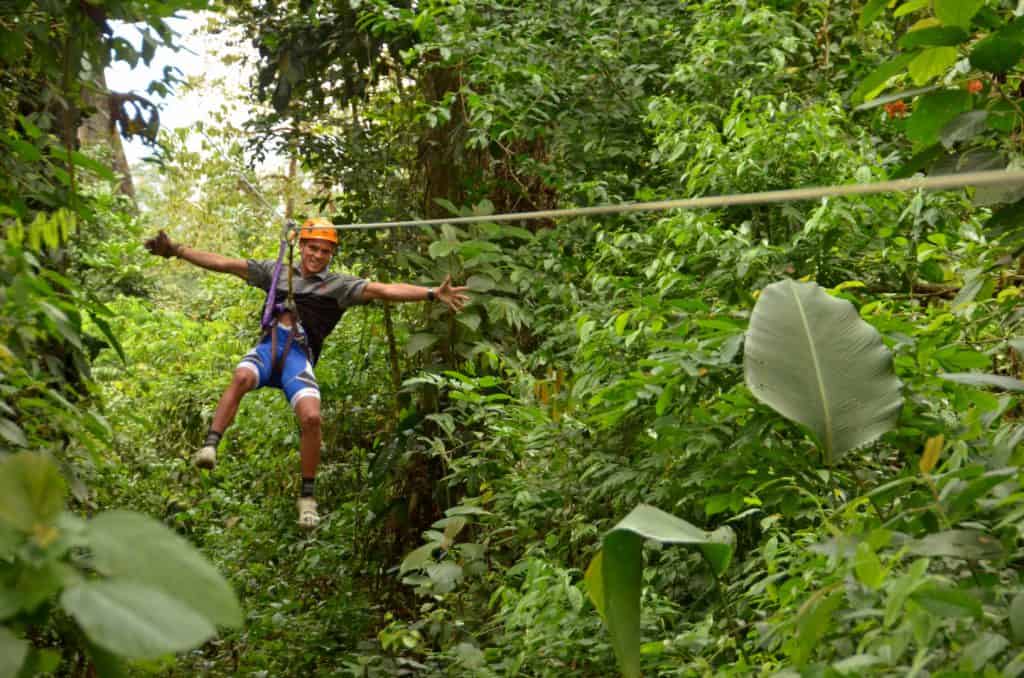
Use the packing guidance for your chosen park. Secure footwear, clothing that allows comfortable movement and protection for changing weather are practical considerations. For ziplining, follow the instructions about hair, jewelry and loose belongings. For a bridge walk, choose a manageable bag that lets you move comfortably along the trail.
Review how the operator handles weather-related changes and keep your reservation details accessible. If your package includes a second activity such as hot springs, prepare the additional items it requires. A change of clothes can also make the return journey more comfortable after time outdoors.
Which Experience Should You Choose?
Choose ziplining when your priority is an active cable-course experience with elevated views and a structured sequence of rides. Look at the setting, course features and participation requirements to find an option that matches your interests.
Choose hanging bridges when you want a forest walk with elevated crossings and time to appreciate plants, scenery and possible wildlife sightings. Consider a guided visit if learning about the forest is an important part of your day.
Your ziplining vs hanging bridges Costa Rica decision becomes easier when you compare a specific course with a specific walking route. Match the activity to your group’s comfort, available time and accommodation location, then organize the day around the experience you most want to enjoy.